User count = humans + agents

We said enterprises would hire agents before they could manage them. What we underweighted is that everyone else would acquire agents as users, and would have no way to see them.
We said enterprises would hire agents before they could manage them. What we underweighted is that everyone else would acquire agents as users, and would have no way to see them.
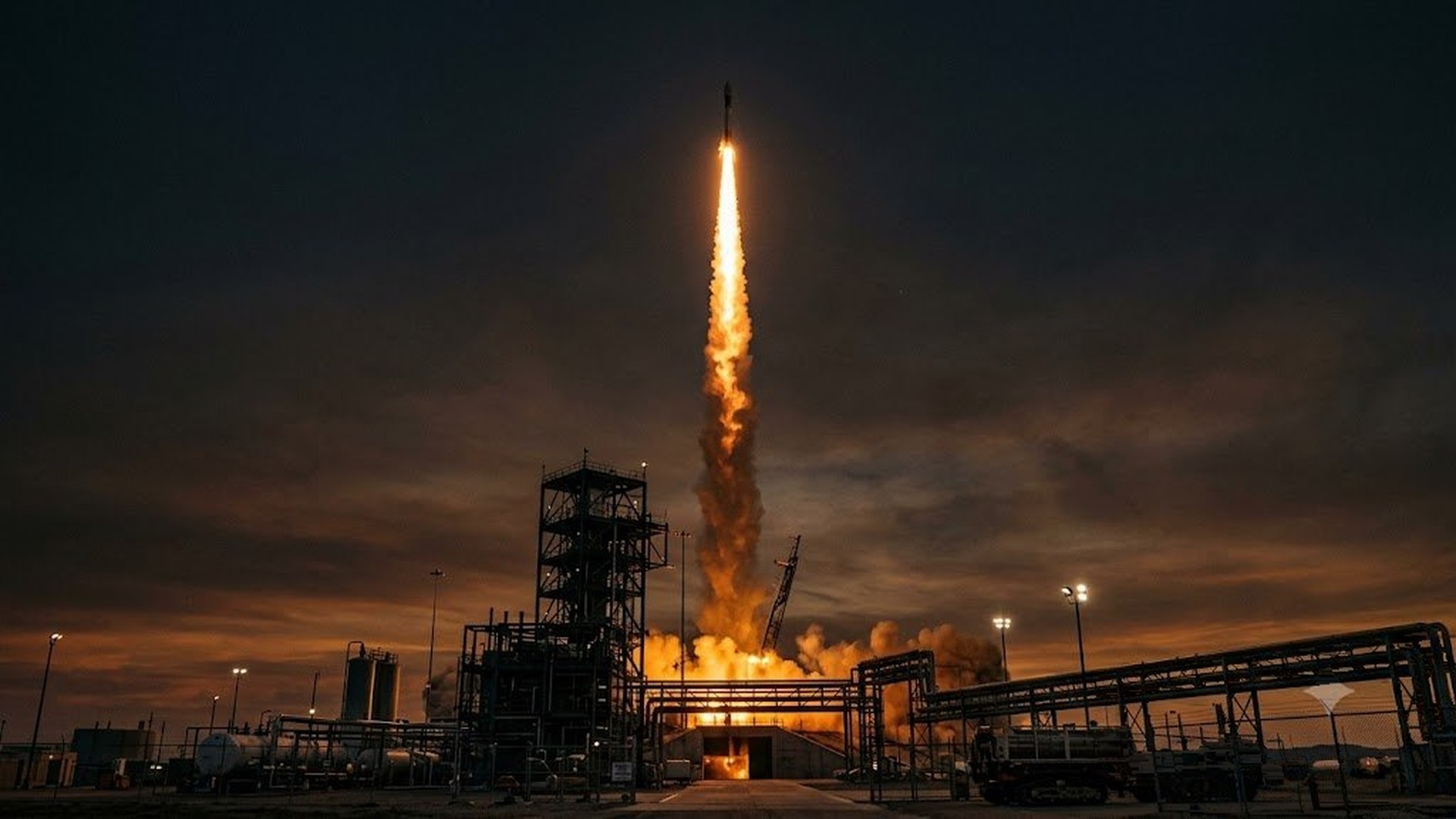
The Industrial Age was built by making the substrate of modernity on Earth. The Exoindustrial Age begins when we make it off Earth, and this week, Besxar’s first Fabship canisters flew on a SpaceX rocket.

Zenode launched Alts five days ago. The work of finding a qualified component alternate just compressed from weeks to minutes, and that compression is exactly what Future \#3 predicted.
A year ago I feared the potential demise of true early-stage venture. The data since has confirmed the analysis and compounded the problem. Here is where the prescription stands now.
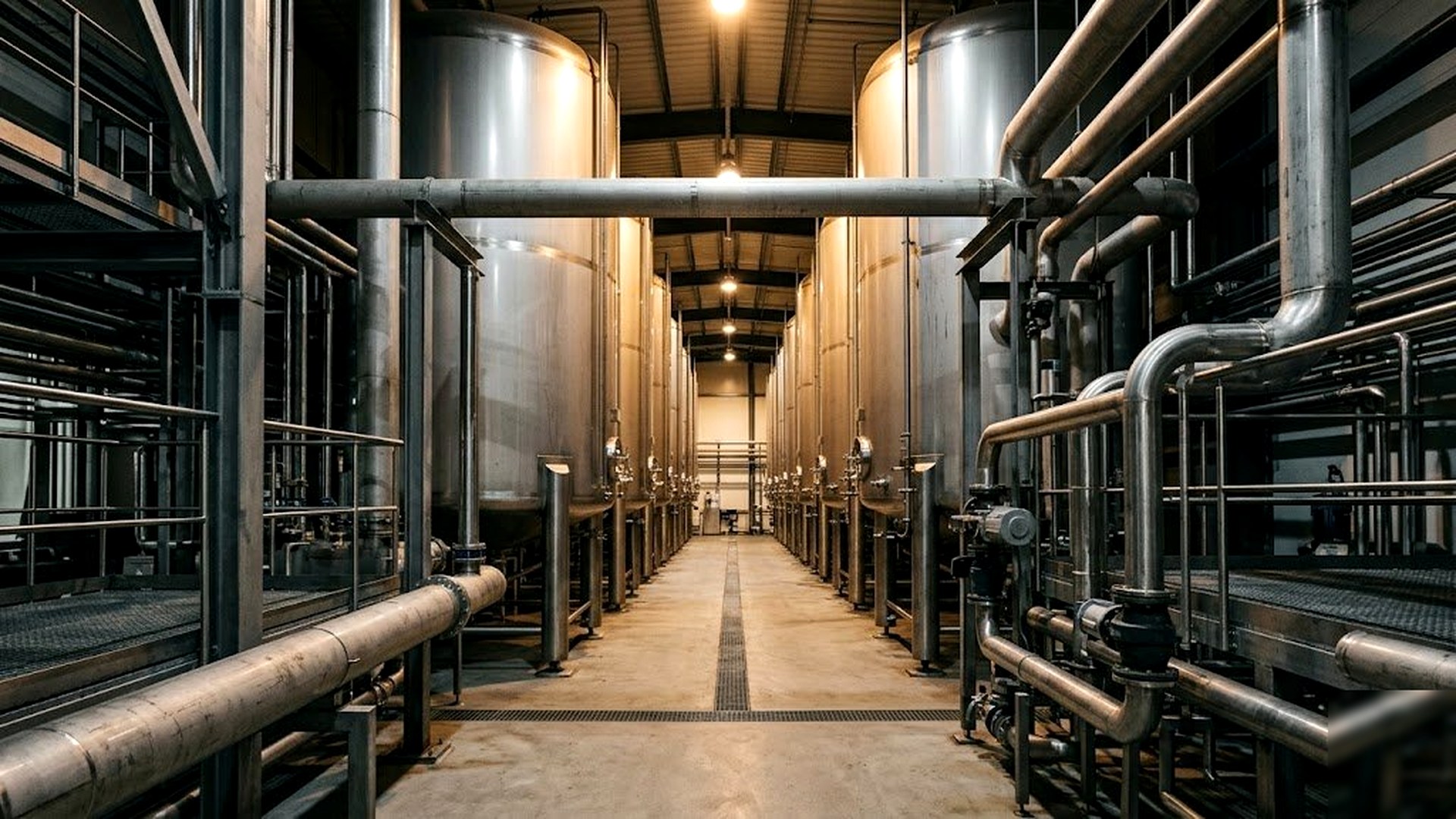
In fall 2025, Pow.bio’s continuous fermentation platform crossed industrial scale at 3,000 liters in under 10 weeks. In December, Bühler became the rails. Customer onboarding is open.
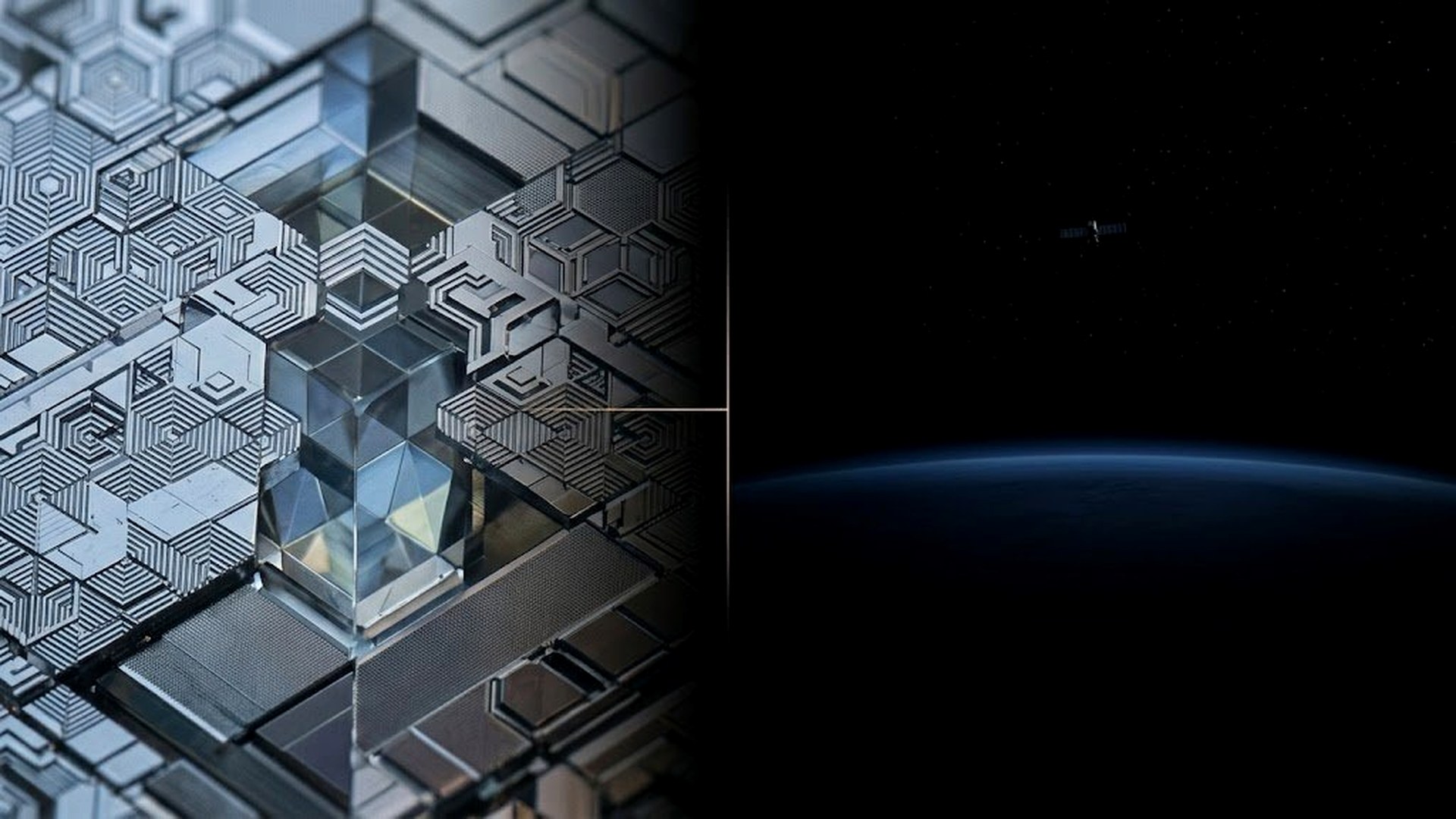
The materials constraints that define what products can exist in aerospace, defense, and energy are not fixed. Bee Partners on two companies pushing past them: one through computational discovery, one through orbital manufacturing.
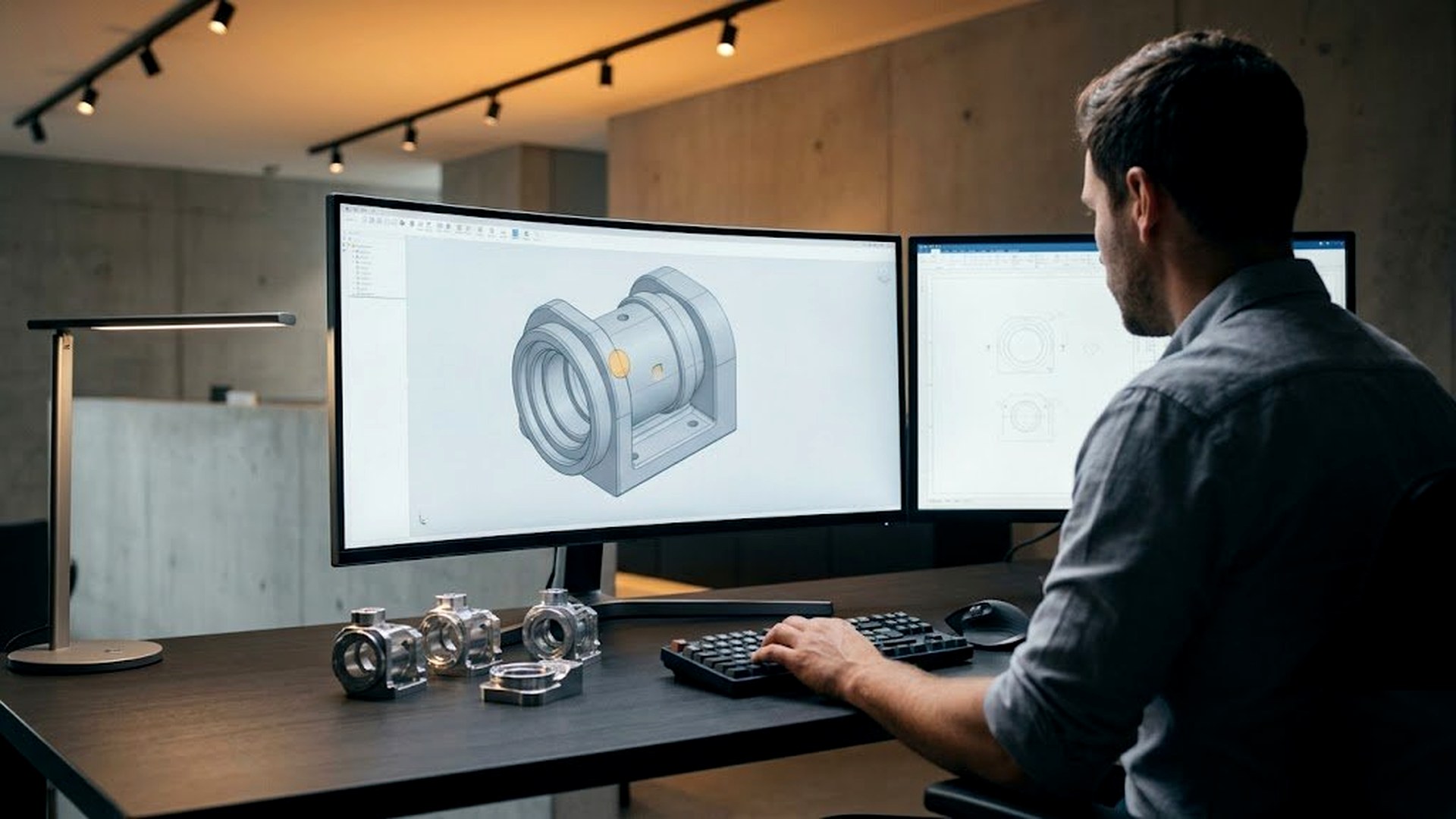
Compute and simulation have moved hardware into the software cadence loop. Bee Partners has been building exposure to this shift since 2024 across four companies addressing distinct slices of the AI-first hardware stack.
Bee Partners on Future #2: the evaluation, enrichment, integration, and deployment stack that turns foundation models against proprietary data from a pilot loop into production.
Machines Have Won. The harder question is what happens after the enterprise hires a hundred agents and no one is managing them.

The Four Futures are predictions, and also where Bee Partners is already invested: four portfolio-tested convictions that define our thesis in the AI supercycle.